
K-drama fans know the pain too well.
You start a romantic drama expecting to root for the main couple. Then, out of nowhere, the second lead walks in with quiet eyes, perfect timing, and the kind of emotional maturity that makes you question the entire plot.
Suddenly, you are no longer watching for the official romance. You are watching for him.
That is the power of K-drama second lead syndrome. It is funny, frustrating, and sometimes genuinely heartbreaking. We know the second lead probably will not win, but we still hope. We still analyze every glance. We still scream at the screen when the female lead chooses the other guy.
So why do we keep falling for the “wrong” man in K-dramas?
Let’s talk about it.
What Is K-Drama Second Lead Syndrome?
K-drama second lead syndrome happens when viewers become emotionally attached to the second male lead instead of the main male lead.
Usually, he is kind, loyal, supportive, and emotionally available. He may not always get the biggest romantic scenes, but he often gets the most painful ones.
He watches from the side. He protects without asking for credit. He loves quietly, sometimes for years, even when he knows he may never be chosen.
That is exactly why fans suffer.
The second lead is not always perfect, but he often feels safer. He is the character who notices the female lead’s sadness before anyone else. He brings an umbrella, remembers small details, and offers comfort without turning every moment into a dramatic power struggle.
And because K-dramas love emotional tension, the second lead often becomes the person we trust before the heroine does.
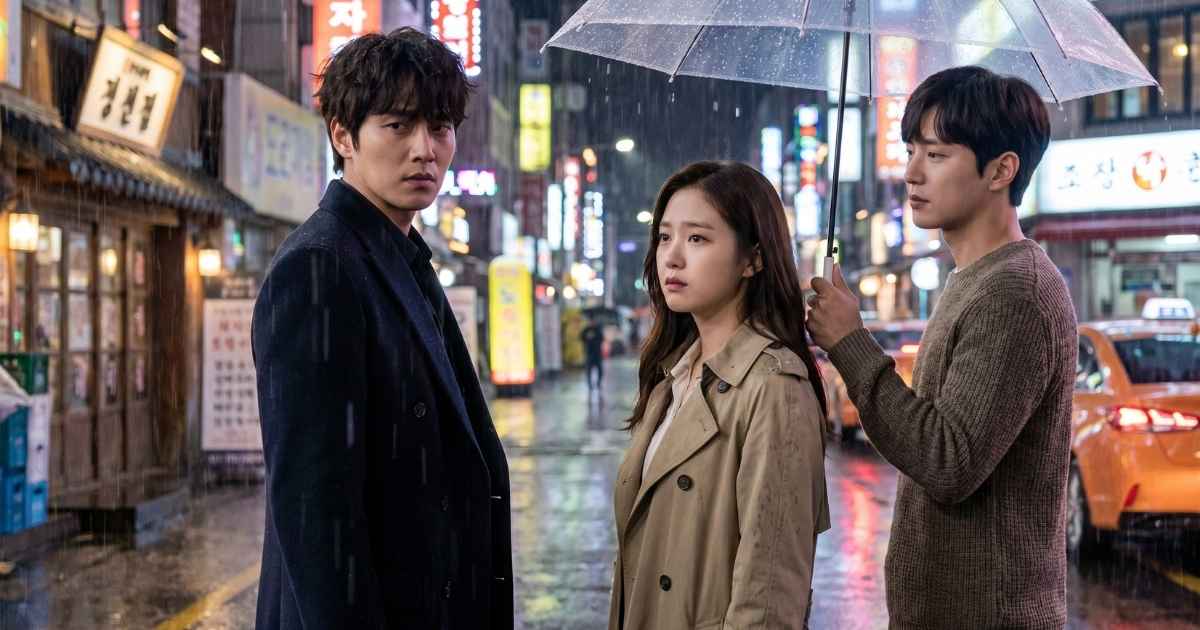
Why We Prefer the Second Lead
He Feels Emotionally Safer
One major reason why we prefer the second lead is simple: he often feels emotionally safer.
The main male lead may be cold, arrogant, rude, or emotionally unavailable at the beginning. K-dramas love the “ice prince melts for one woman” trope, but let’s be honest. Sometimes, before he melts, he is just exhausting.
The second lead, meanwhile, is usually already kind.
He listens. He does not always need to dominate the conversation. He offers a quieter kind of love, one built on patience rather than tension.
That type of affection feels comforting to viewers, especially when the main romance depends on misunderstandings, jealousy, or emotional push-and-pull.
He Loves Without Expecting a Reward
The best second leads rarely love loudly. They love through actions.
They show up when the heroine needs help. They support her dreams. They remember what she likes. They step back when stepping forward would hurt her.
That kind of love feels noble.
Of course, in real life, silent suffering is not always healthy. Love needs honesty and boundaries. But in fiction, a second lead’s quiet devotion can feel painfully beautiful because it asks for so little and gives so much.
That is where the heartbreak begins.
Romantic Drama Tropes That Make Second Leads Irresistible
The Childhood Friend Who Waited Too Long
Among all romantic drama tropes, the childhood friend second lead is one of the most painful.
He has known the heroine for years. He understands her family, her habits, her fears, and her old wounds. He may have loved her before the main male lead even appeared.
But somehow, he is always too late.
This trope hurts because it feels unfair. We see history. We see loyalty. We see the emotional foundation that already exists.
Yet the drama asks us to believe that one intense new connection can overpower years of quiet care.
Sometimes it works. Sometimes it makes fans start a comment war.
The Rich, Polished Rival With a Soft Heart
Another classic second lead is the elegant chaebol heir or successful professional who seems cold at first but slowly reveals a gentle side.
He may be rich, stylish, and confident, but what makes him memorable is not his money. It is the moment he drops the mask.
Maybe he protects the heroine from public embarrassment. Maybe he gives sincere advice when everyone else judges her. Maybe he smiles only when she is around.
This contrast makes him magnetic.
The main lead may get the destiny storyline, but the second lead often gets the emotional restraint that makes viewers lean closer.
The Best Friend Who Understands Everything
The best friend second lead is dangerous for our hearts.
He is not mysterious. He is not dramatic. He is simply there.
He knows when she is lying about being okay. He understands her humor. He sees her at her worst and still chooses to stay.
This type of second lead makes viewers ask the most painful question in romance: Why search for love elsewhere when someone already understands you this deeply?
That question is exactly why second lead syndrome survives drama after drama.
Best Second Leads Are Written With Emotional Detail
They Have Their Own Inner World
The best second leads are not just romantic obstacles. They feel like complete people.
They have dreams, regrets, family pressure, personal wounds, and private fears. Their love for the heroine matters, but it is not the only thing that defines them.
That is what separates a forgettable second lead from an unforgettable one.
A weak second lead exists only to create jealousy. A strong second lead makes us wonder what the story would look like if he were the main character.
That is when the syndrome becomes serious.
Their Pain Feels Quietly Real
Second lead heartbreak works because it is rarely explosive.
He does not always shout. He does not always confess in a grand dramatic scene. Sometimes, he just smiles through disappointment and walks away.
That restraint is devastating.
We recognize that kind of pain because many people have experienced unspoken feelings, missed timing, or loving someone who loves someone else. The second lead becomes a mirror for that private ache.
That is why fans defend him so passionately.
We are not only defending a character. Sometimes, we are defending the version of love that was gentle but still lost.
Why K-Dramas Keep Using Second Lead Syndrome
It Creates Emotional Conflict Without Making the Heroine Look Bad
Second lead syndrome is useful in storytelling because it creates romantic tension.
If the heroine has two believable love interests, the audience becomes more invested. We compare personalities, chemistry, timing, and emotional compatibility.
This keeps the story alive.
Even when we know the ending is obvious, the second lead makes us doubt. Maybe this time, we think. Maybe this drama will surprise us.
Most of the time, it does not.
But hope is part of the fun.
It Makes the Main Romance Feel Earned
A good second lead also raises the standard for the main male lead.
If the main lead wants to win the heroine’s heart, he has to grow. He has to become kinder, braver, more honest, or more emotionally open.
Without the second lead, the main romance might feel too easy.
The second lead forces the story to ask: Why him? Why should the heroine choose the main lead when someone else is also loving her well?
When a drama answers that question convincingly, the romance becomes stronger.
When it fails, fans never forgive it.
The Psychology Behind Second Lead Syndrome
We Root for the Person Who Feels Undervalued
Viewers often connect with characters who are overlooked.
The second lead may be talented, kind, attractive, and deeply loyal, yet the story still places him one step behind. That unfairness activates our sympathy.
We want justice for him.
We want someone to see what we see.
That emotional investment becomes even stronger when the heroine misunderstands him or takes his kindness for granted. The more invisible his pain becomes within the story, the more visible it becomes to us.
We Confuse Stability With Destiny
Many K-dramas present the main lead as destiny and the second lead as stability.
Destiny is exciting. Stability is comforting.
The main lead may bring intense chemistry, dramatic turning points, and life-changing passion. The second lead may bring calm understanding, emotional safety, and consistent support.
Depending on your own dating experiences, the second option may feel more attractive.
That is why second lead syndrome is not just about which actor is more handsome. It is about what kind of love we secretly crave.
Some viewers want fireworks.
Some want peace.
And sometimes, the second lead offers peace in a story obsessed with fireworks.
Personal Take: The “Wrong Guy” Is Not Always Wrong
Here is the truth: the second lead is not always the wrong guy.
He is just wrong for the story the drama wants to tell.
That difference matters.
A heroine may choose the main lead because he challenges her, understands a hidden part of her, or shares a deeper emotional journey. But viewers may still prefer the second lead because he represents a healthier or softer kind of love.
Both reactions can be valid.
You can understand the ending and still feel sad about it. You can admit the main couple has chemistry and still believe the second lead deserved better.
That is the strange beauty of K-drama second lead syndrome. It makes romance feel less simple and more human.
Love is not always about who is best on paper. Sometimes it is about timing, emotional readiness, and the person your heart chooses even when another person seems perfect.
Painful? Yes.
Addictive? Absolutely.
How to Survive Second Lead Syndrome as a Viewer
First, accept the warning signs early.
If the second lead is kind, emotionally intelligent, beautifully styled, and always appears during the heroine’s lowest moments, protect your heart. You are entering dangerous territory.
Second, enjoy the character without expecting the drama to reward him.
This sounds impossible, but it helps. Appreciate his scenes. Notice his growth. Celebrate his emotional honesty. But do not build your entire viewing experience on the fantasy that he will suddenly become the endgame.
Third, remember that a good second lead can still have a meaningful arc.
He may not get the girl, but he can gain self-respect, closure, independence, or a new beginning. The best dramas allow him to walk away with dignity.
And if the drama does not give him that?
Well, that is what fan edits, comment sections, and alternate-ending fantasies are for.
Final Thoughts: Maybe We Fall for the Second Lead Because He Feels Real
The reason K-drama second lead syndrome hurts so much is because it often feels emotionally honest.
Not every love story ends with the person who loved most patiently. Not every loyal heart gets chosen. Not every perfect match arrives at the perfect time.
Second leads remind us of that.
They represent the almost-love, the missed chance, the person who could have been right if the story had started differently.
That is why we remember them long after the final episode.
So the next time you fall for the wrong guy in a K-drama, do not blame yourself. Blame the writers, the soft piano music, the meaningful glances, and that one scene where he quietly gave up his happiness for hers.
We have all been there.
Now tell me honestly: which K-drama second lead broke your heart the most?
FAQ: K-Drama Second Lead Syndrome
What does K-drama second lead syndrome mean?
K-drama second lead syndrome means viewers prefer the second male lead over the main male lead. It usually happens when the second lead is kinder, more emotionally supportive, or more relatable than the official love interest.
Why do fans prefer the second lead?
Fans often prefer the second lead because he feels emotionally safe, loyal, and sincere. He may treat the heroine with quiet care while the main lead is still struggling with pride, jealousy, or emotional distance.
Is second lead syndrome only found in K-dramas?
No, second lead syndrome appears in many romantic stories around the world. However, K-dramas are especially famous for it because they often write second leads with deep emotional detail and heartbreaking timing.
What are common romantic drama tropes for second leads?
Common romantic drama tropes include the childhood friend, the loyal best friend, the rich rival, the protective senior, and the quiet admirer who loves from a distance.
Who are the best second leads in K-dramas?
The best second leads are usually the ones with strong emotional depth, memorable chemistry, and a story that feels meaningful beyond romance. Fans often remember them because they feel like real people, not just obstacles in the main couple’s journey.
Why does second lead syndrome hurt so much?
It hurts because the second lead often represents a love that is sincere but unchosen. Viewers see his effort, pain, and loyalty, which makes his rejection feel personal.
Can the second lead ever win in a K-drama?
Sometimes, but it is rare. Most romantic K-dramas are built around a clear main couple, so the second lead usually exists to create emotional conflict and growth.