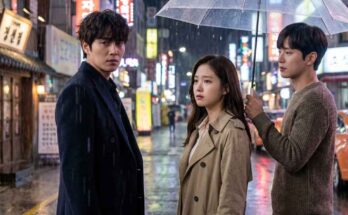
K-drama villains are rarely simple monsters.
One episode, we hate them. The next, we are staring at the screen wondering why their childhood trauma suddenly made us feel sorry for them. That emotional confusion is exactly why K-drama villain redemption arcs have become one of the most addictive parts of modern storytelling.
But here is the real question: does a tragic past automatically mean a villain deserves forgiveness?
Not always.
Sometimes a villain’s pain explains their actions. It does not excuse them. And that difference is what makes the best K-drama character writing so powerful.
Why K-Drama Villains Hit So Hard
They Are Written Like Real People, Not Just Obstacles
The best villains in K-dramas are not evil just because the plot needs someone cruel. They usually want something deeply human: love, safety, power, revenge, respect, or control.
That is why they feel uncomfortable to watch. We may not agree with them, but we can understand the emotional wound driving them.
A jealous second lead, a cold chaebol heir, a betrayed queen, or a revenge-driven prosecutor can all become unforgettable because they are built from pain, pride, and bad choices.
Their Damage Feels Familiar
Many misunderstood villains are shaped by rejection, poverty, family pressure, bullying, or betrayal. These are not fantasy problems. They are emotional experiences viewers recognize.
That does not mean we secretly approve of their actions. It means the drama gives us enough humanity to pause before judging them completely.
And that pause is powerful.
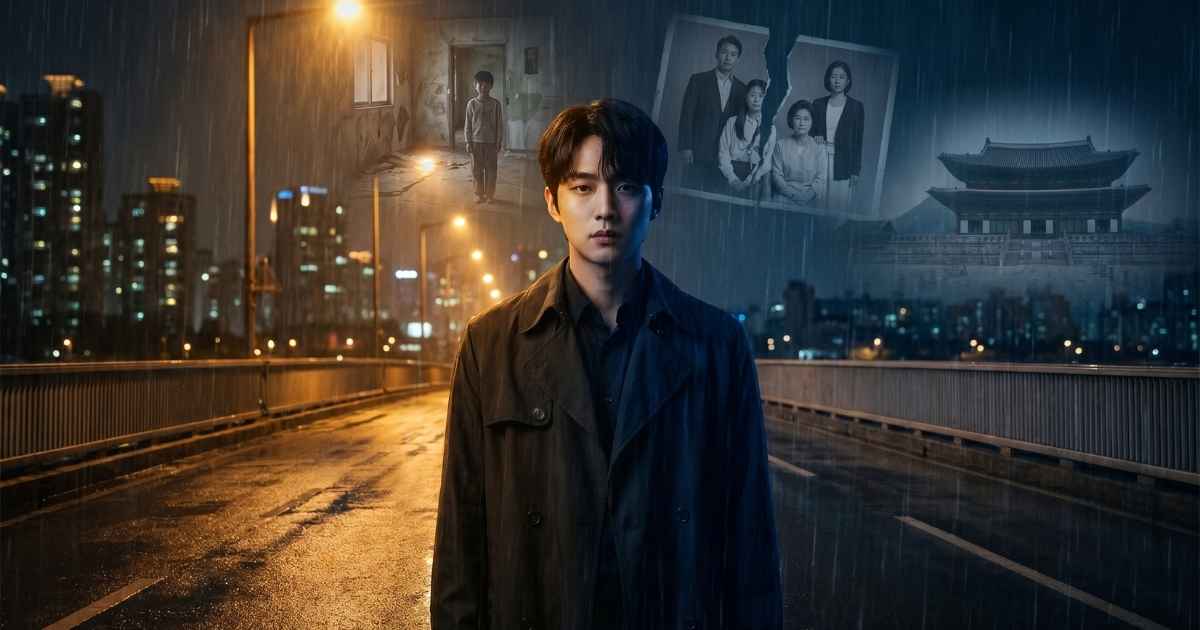
What Makes a Villain Redemption Arc Actually Work?
Redemption Needs Accountability
A good redemption arc is not just a sad flashback and a few tears.
If a villain hurts people, lies, manipulates, destroys families, or ruins someone’s future, they need to face consequences. Without accountability, redemption feels cheap.
The best K-drama villain redemption arcs show the villain admitting what they did, understanding the damage, and making a real sacrifice to change.
Not just saying sorry.
Actually changing.
The Villain Must Choose Better
Redemption only works when the villain has a choice.
If they change only because they lost power, got exposed, or had no other option, that is not true character growth. That is survival.
Real character development happens when the villain could continue being cruel but decides not to.
That moment matters.
Maybe they protect the hero instead of betraying them. Maybe they tell the truth even though it ruins their reputation. Maybe they walk away from revenge because they finally understand the cost.
That is when viewers begin to believe in the redemption.
Tragic Backstories: Explanation or Excuse?
Pain Can Explain the Monster
A tragic backstory gives us context.
Maybe the villain was abandoned as a child. Maybe they grew up in a rich family where love was replaced by competition. Maybe they were humiliated for being poor, powerless, or different.
These tragic backstories help us understand why someone became bitter, controlling, or obsessed.
But explanation is not the same as forgiveness.
A person can be wounded and still be responsible for the wounds they create in others.
Not Every Villain Needs to Be Redeemed
Some villains are more powerful when they do not change.
A drama does not always need to soften them. Sometimes the point is to show what happens when someone refuses to heal.
That kind of villain can be frightening because they had many chances to stop, but they kept choosing pride, revenge, or cruelty.
In those cases, redemption would feel forced.
A tragic childhood does not automatically earn a happy ending.
Why Viewers Love Misunderstood Villains
We Love Emotional Complexity
Perfect heroes can become boring if they never struggle. Villains, on the other hand, often carry the messiest emotions in the story.
They are angry. Lonely. Desperate. Proud. Sometimes even heartbreakingly loyal.
That emotional chaos makes them fascinating.
We watch them because we want to know whether they will fall deeper or finally save themselves.
We See the Person They Could Have Been
One reason misunderstood villains stay in our minds is because we can often see the better version of them.
Maybe they could have been a loving sibling. A brave leader. A loyal friend. A good partner.
But one wrong choice became another. Then another. By the time they realize it, they have already become someone they once hated.
That is tragic.
And very K-drama.
When Redemption Feels Earned
The Villain Stops Centering Themselves
A weak redemption arc says, “Feel sorry for me because I suffered.”
A strong redemption arc says, “I suffered, but I still hurt people, and now I must make it right.”
That shift is everything.
The villain stops demanding sympathy and starts showing responsibility. They stop asking the hero to understand them and begin protecting the people they once harmed.
That is when redemption feels emotionally honest.
The Story Does Not Erase the Victims
This is where many dramas succeed or fail.
A villain’s redemption should never make the victim’s pain disappear. If the hero was betrayed, abused, framed, or humiliated, the story should respect that damage.
Forgiveness should not be rushed.
Sometimes the best ending is not friendship, romance, or full forgiveness. Sometimes it is distance, peace, and a quiet acknowledgment that the villain finally understands what they did.
That can be more mature than a perfect happy ending.
The Best Villain Arcs Are About Choice
Trauma Starts the Story, But Choice Finishes It
A villain may not choose their trauma.
But they choose what they do with it.
That is why character development matters so much in K-dramas. The emotional journey is not only about what happened in the past. It is about whether the person can break the cycle before it destroys everyone around them.
A tragic backstory can make us cry.
A better choice can make us believe in them again.
Redemption Is Not the Same as Being Liked
A redeemed villain does not need to become cute, funny, or harmless.
They simply need to become honest.
Sometimes redemption looks like punishment. Sometimes it looks like exile. Sometimes it looks like protecting someone without expecting love in return.
That kind of ending can be painful, but it feels real.
Final Thoughts: Do K-Drama Villains Deserve Redemption?
Some do.
Some do not.
The best answer depends on what the villain does after the truth comes out. A painful past can make us understand them, but only accountability, sacrifice, and real change can make us believe in their redemption.
That is why K-drama villain redemption arcs are so unforgettable. They ask us to look beyond good and evil and sit with something much harder: the possibility that broken people can change, but only if they stop using their pain as a weapon.
So the next time a villain gets a tragic flashback, do not ask only, “Do I feel sorry for them?”
Ask this instead: “Are they finally willing to become better?”
That is where the real story begins.
FAQ: K-Drama Villain Redemption Arcs
What is a villain redemption arc in K-dramas?
A villain redemption arc is a storyline where a bad or morally grey character slowly changes, accepts responsibility, and tries to make up for their harmful actions.
Why do K-dramas give villains tragic backstories?
K-dramas use tragic backstories to add emotional depth. They help viewers understand why a villain became cruel, jealous, or revenge-driven.
Do tragic backstories excuse a villain’s actions?
No. A tragic past can explain a villain’s behavior, but it does not erase the harm they caused. Strong writing separates sympathy from excuse.
Why do viewers like misunderstood villains?
Viewers often like misunderstood villains because they feel complex and emotionally realistic. Their pain, flaws, and hidden vulnerability make them more interesting than simple evil characters.
What makes a redemption arc satisfying?
A satisfying redemption arc needs accountability, emotional honesty, sacrifice, and believable character development. The villain must actively choose change.
Can a villain be forgiven without being redeemed?
Yes. A character may receive forgiveness from someone they hurt, but true redemption requires inner change and responsibility.
Are all K-drama villains meant to be redeemed?
No. Some villains are written to show the danger of refusing to change. Not every villain needs a soft ending to be memorable.